

In This Article
- The Vendor Trap: Why Tool-First AI Approaches Fail in Oil & Gas
- What True AI Consulting Delivers for Energy Companies
- AI Vendor vs AI Consulting Partner: Side-by-Side Comparison
- Nataero’s 4-Step AI Process for Oil & Gas
- 7 Essential Questions to Ask Before Choosing an AI Partner
- Frequently Asked Questions
The wrong AI partner doesn’t just waste your budget — it can set your oil and gas digital transformation back 12–18 months, erode leadership trust in AI, and make every future conversation with your CFO far more difficult.
Recent industry research shows why this distinction matters more than ever:
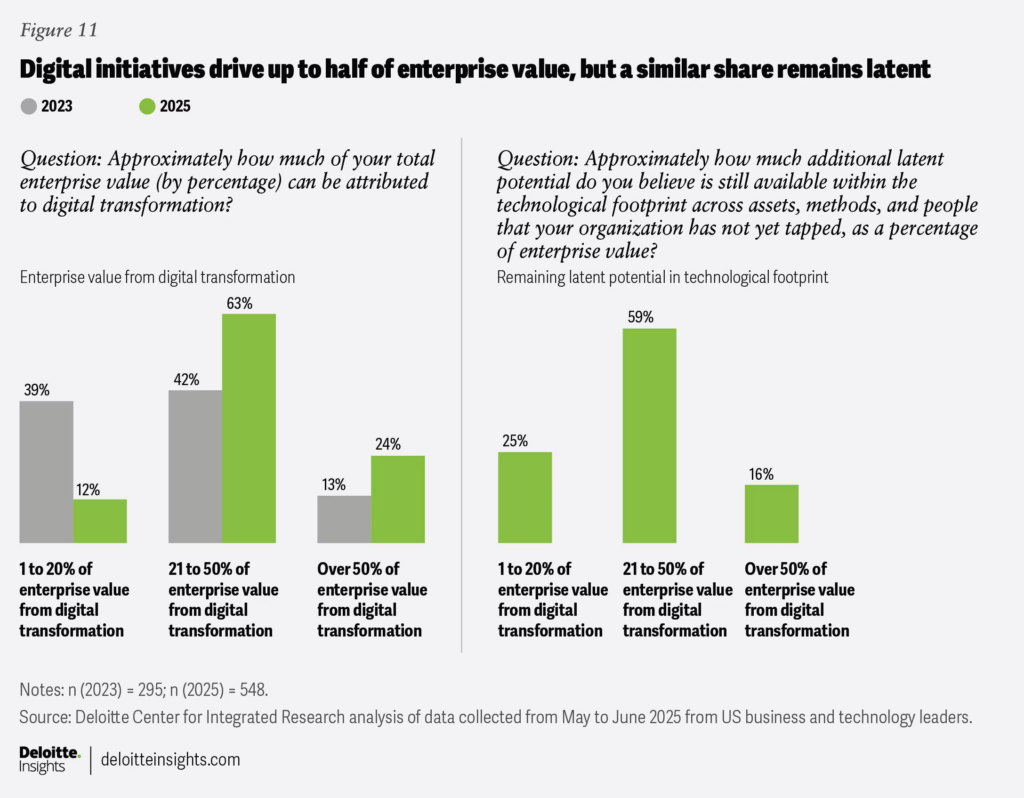
Digital initiatives drive up to half of enterprise value, but a similar share remains latent (Deloitte Insights, 2025 data). Many organizations invest heavily in AI and digital transformation yet fail to realize full value due to poor strategy, data readiness, and implementation support.
In the oil and gas sector — with its fragmented SCADA data, legacy systems, high regulatory stakes, and safety-critical operations — the cost of getting the partnership model wrong is even steeper.
Energy operators face mounting pressure to reduce unplanned downtime, unlock value from decades of siloed operational data, and automate compliance burdens. AI is the obvious lever, but most buyers struggle with one pivotal question:
How do you distinguish genuine AI strategy consulting for oil and gas from an AI vendor in consultant’s clothing?
Get this decision right, and you build a foundation that compounds value for years. Get it wrong, and you risk joining companies that invested seven figures in tools now collecting digital dust.
The Vendor Trap: Why Tool-First AI Approaches Fail in Oil & Gas
Most AI vendors lead with a polished product demo: impressive dashboards, slick interfaces, and a pilot built on clean, curated data that barely resembles your operational reality (siloed SCADA, inconsistent sensor streams, PDFs from the 2000s, etc.).
What they rarely disclose:
- “Fast deployment” ignores complex integrations with your existing SCADA, CMMS, ERP, and OT/IT systems.
- Their point solution tackles one narrow problem while your operations involve interconnected challenges.
- Post-deployment support is usually limited to tickets — with minimal change management, training, or accountability for actual operational outcomes.
The result? Technically functional software that sees little real adoption. In oil & gas, where downtime can cost millions and safety is paramount, this trap is particularly expensive.
What True AI Consulting Delivers for Oil & Gas
A professional AI consulting partner reverses the approach: they start with your specific operational challenges and work backward to the right strategy, technology, and organizational change.
- Deep Discovery (Weeks 1–2) — Stakeholder interviews and full data/workflow mapping.
- Honest Readiness Assessment (Weeks 3–4) — Evaluation across data quality, infrastructure maturity, team capability, process readiness, and governance.
- Custom AI Roadmap (Weeks 5–6) — Phased plan with prioritized use cases and quick wins.
- Guided Implementation (Ongoing) — Hands-on integration, training, and outcome tracking.
AI Vendor vs AI Consulting Partner: Side-by-Side Comparison
| Dimension | AI Vendor | AI Consulting Partner (Oil & Gas) |
|---|---|---|
| First Conversation | Product demo | Discovery interview + deep listening |
| Assessment | “You’re ready to buy” | Honest evaluation across 5 readiness dimensions |
| Primary Deliverable | Software license | Custom strategic AI roadmap |
| Integration | Your team’s responsibility | Guided SCADA/CMMS/ERP integration |
| Timeline | “Weeks to deploy” | Phased milestones with realistic expectations |
| Change Management | Usually not included | Training, workflow redesign, stakeholder alignment |
| Post-Deployment | Support tickets | Ongoing optimization + measurable operational ROI |
| Data Handling | Often cloud-first (their cloud) | Your environment, your control |
| Success Metric | License renewals | Tangible business outcomes (reduced downtime, etc.) |
| When They Say “No” | Almost never | When the engagement won’t deliver real value |
Here is a visual representation of the success gap between typical vendor-led approaches and structured consulting engagements:
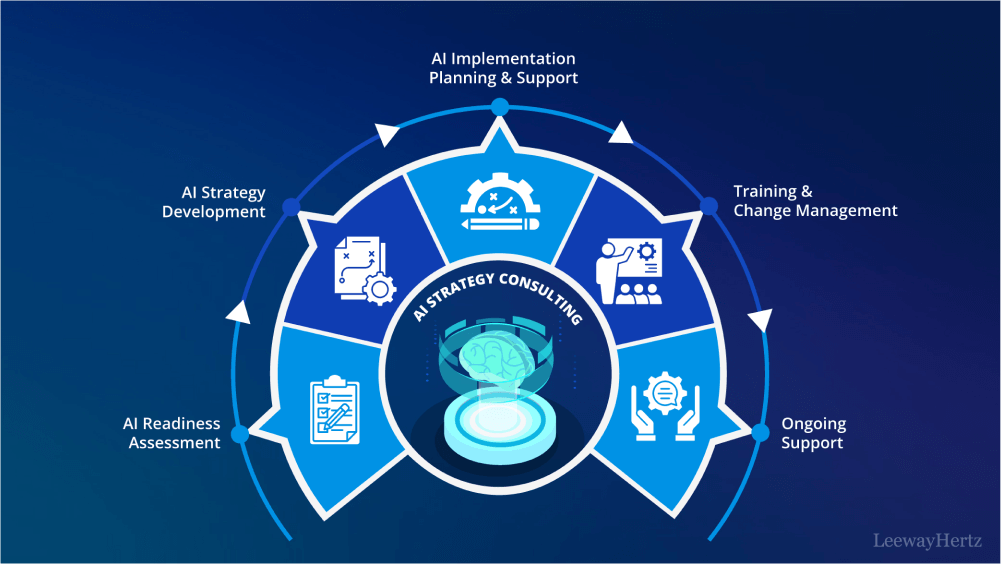
How Nataero AI Works: Our 4-Step Process for Oil & Gas
Our model is purpose-built for high-stakes energy environments where data sensitivity, regulatory compliance, and operational continuity are non-negotiable.
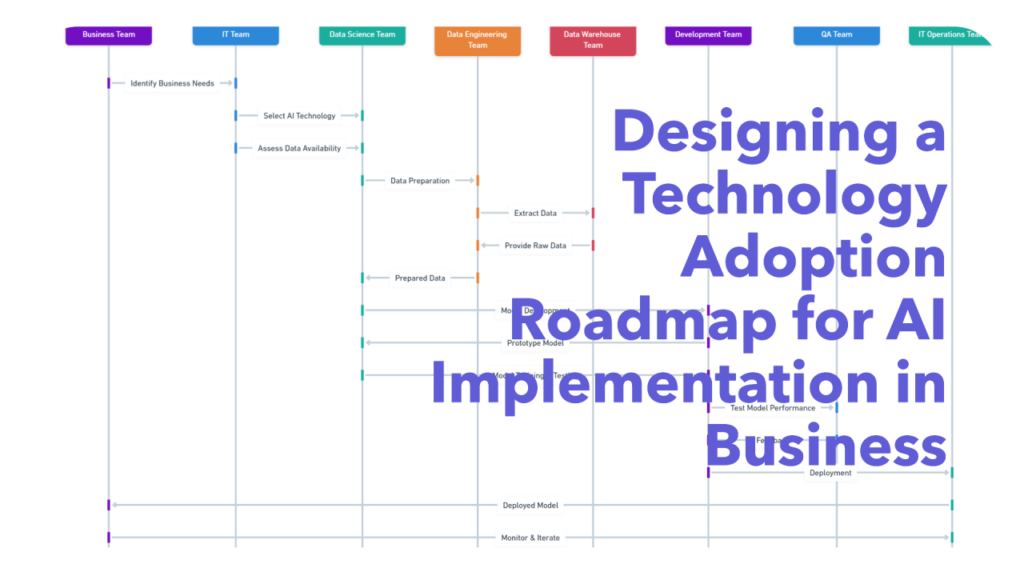
Phase 1 — Discovery (Weeks 1–2) Phase 2 — Strategic Assessment (Weeks 3–4) Phase 3 — Custom Roadmap (Weeks 5–6) Phase 4 — Guided Implementation (Ongoing)
Your data stays securely in your environment — no forced cloud migration or data retention.
Here’s how the structured 4-step process flows:
7 Questions Every Oil & Gas Buyer Should Ask Before Choosing an AI Partner
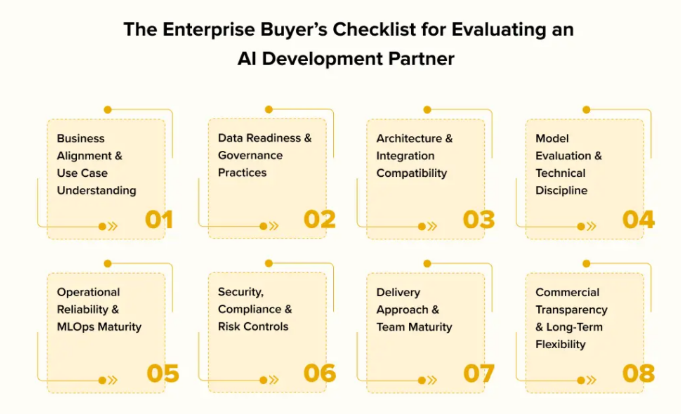
Print this checklist and bring it to every meeting. Evasive answers — especially on data readiness, integration, or security — are major red flags.
- Will you conduct a formal discovery and readiness assessment before recommending solutions?
- What happens if our data isn’t AI-ready? Do you help remediate foundations or deploy anyway?
- Where does our data live during and after implementation? Does any data leave our environment?
- How will the solution integrate with our SCADA, CMMS, and ERP systems — and who is responsible?
- What does your implementation team look like (roles, headcount, duration)?
- How do you define and measure success — license adoption or measurable operational improvements?
- Can you provide references from oil & gas operators with similar complexity and regulatory requirements?
Red flags checklist style example (create a branded version of this for maximum shareability):
Frequently Asked Questions
How is AI consulting priced differently from vendor software? AI consulting is typically structured as phased project fees rather than recurring per-seat licenses. You pay for strategic outcomes and measurable results.
Do you replace existing systems? No. We focus on integration — layering AI intelligence onto your current SCADA, CMMS, ERP, and other operational technology.
How long until measurable results? Most clients see initial outcomes within 60–90 days of implementation start. Focused engagements typically span 4–6 months.
What if we’ve been burned by a previous AI vendor? This is common. Most failures stem from strategic gaps (data readiness, integration, or lack of adoption support). Our discovery process surfaces and addresses these issues upfront.
Is our sensitive operational data compatible with AI? Yes — with the right partner. We keep data in your environment and align with your regulatory obligations.
Ready to Build a Real AI Strategy for Your Oil & Gas Operations?
Stop chasing isolated tools. Start with a tailored strategy that fits your assets, data, and people.
Every consultation starts with a genuine conversation — no hard pitch, no generic demo.
Learn More: Harvard Business Review