

You don’t have an AI problem. You have a readiness problem. Here’s how to fix it.
Oil and gas AI readiness is the single biggest predictor of whether an AI investment delivers real ROI or becomes an expensive lesson. Every week, we speak with energy leaders who have seen the vendor demos and boardroom presentations. They understand that AI can reduce downtime, automate compliance reporting, and unlock insights from decades of untapped data.
Yet too often the project hasn’t started, has stalled, or launched with impressive dashboards that changed nothing about how the business actually operates.
This guide provides a practical internal diagnostic framework to assess your organization’s AI readiness before you engage any partner or evaluate any tool. It covers the five dimensions of readiness, ranks the highest-ROI use cases by complexity, outlines a phased implementation approach designed for operational environments, and addresses the governance requirements that regulated energy companies cannot afford to get wrong.
Table of Contents
- Why Readiness Determines Everything
- The 5 Readiness Dimensions: A Self-Assessment Framework
- Oil & Gas AI Use Cases Ranked by Complexity and ROI
- Building Your AI Roadmap: A Phased, Low-Disruption Approach
- Governance, Compliance, and Regulatory Alignment
- The Readiness Scorecard: Rating Your Organization
- Frequently Asked Questions
1. Why Readiness Determines Everything
The most expensive AI mistake in oil and gas is not choosing the wrong tool or partner — it’s moving forward before your organization is ready to absorb and act on what you build.
We’ve seen this pattern repeat across upstream, midstream, and downstream operations:
- A production company invests in predictive maintenance, only to discover that 60% of its critical assets lack the required sensor coverage.
- A midstream operator deploys document intelligence, then learns that half its compliance records are scanned images that cannot be parsed without OCR preprocessing.
- A refinery builds an anomaly detection model on unclean, unstandardized historical data — generating alerts indistinguishable from noise.
In every case, the technology worked. The organization wasn’t ready.
A structured readiness assessment — typically completed in weeks, not months — would have identified these gaps before significant budget was committed. This guide gives you the framework to run that assessment internally, so you can enter any AI engagement knowing exactly where you stand and what needs to happen first.
2. The 5 Readiness Dimensions: A Self-Assessment Framework
AI readiness is not a single score. It is the combined maturity of five interdependent dimensions. A weakness in any one will limit or stall your deployment, regardless of how strong the others are.
Data Readiness Measures whether your operational data is accessible, clean, complete, and structured enough to support reliable AI models.
Infrastructure Readiness Evaluates whether your OT and IT environments can support AI workloads securely without introducing operational risk.
Talent Readiness Assesses whether you have the people and organizational support needed to sustain an AI initiative.
Process Readiness Examines whether your current workflows can absorb and act on AI-driven insights without creating bottlenecks.
Governance Readiness Determines whether you have the policies and oversight to manage AI responsibly in a heavily regulated environment.
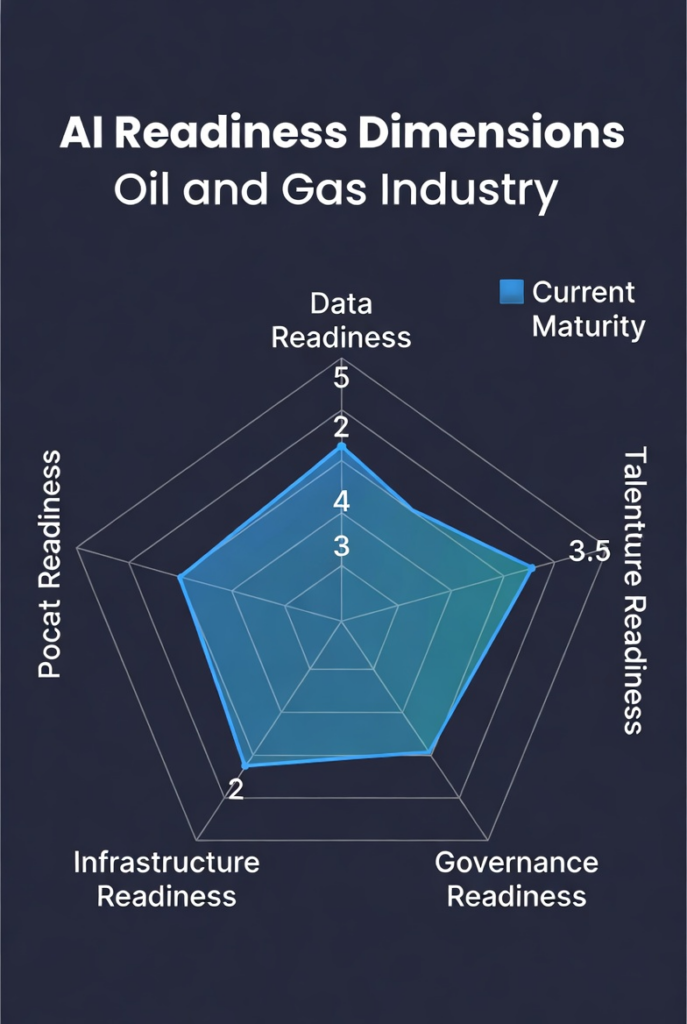
Figure 1: AI Readiness Radar Chart – Sample visualization of maturity across the five dimensions.
3. Oil & Gas AI Use Cases Ranked by Complexity and ROI
| Use Case | Complexity | ROI | Time to Value | Data Requirements |
|---|---|---|---|---|
| Document Intelligence | Low | High | 4–8 weeks | Medium |
| HSE Reporting Automation | Low–Med | Med–High | 6–12 weeks | Medium |
| Predictive Maintenance | Medium | Very High | 8–16 weeks | High |
| Anomaly Detection | Med–High | Very High | 10–20 weeks | High |
| Production Optimization | High | Very High | 16–24 weeks | Very High |
| Reservoir Modeling AI | Very High | Transformational | 6–12 months | Very High |
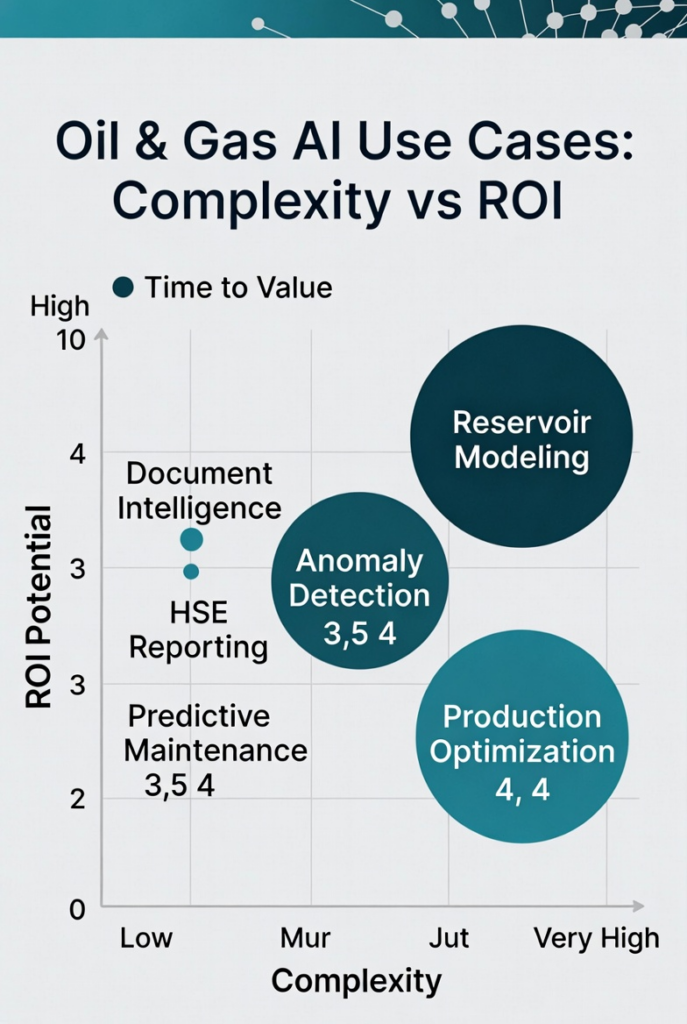
Figure 2: AI Use Case ROI Matrix – Complexity vs. potential return on investment.
Recommended Sequence:
- Start here: Document Intelligence (fastest wins).
- Next: Predictive Maintenance and Anomaly Detection.
- Strategic horizon (Year 2+): Production Optimization and Reservoir Modeling.
4. Building Your AI Roadmap: A Phased, Low-Disruption Approach
Phase 1: Discovery and Assessment (Weeks 1–4) Comprehensive diagnostic and prioritization of use cases. Deliverable: Readiness scorecard and prioritized roadmap.
Phase 2: Foundation Building (Weeks 5–10) Close critical gaps in data, infrastructure, and governance.
Phase 3: Targeted Implementation (Weeks 11–20) Deploy one high-confidence use case in a controlled scope, running in parallel with existing processes.
Phase 4: Validation and Expansion (Weeks 21–30+) Scale successful use cases. Most organizations see 2–3× higher ROI in year two.
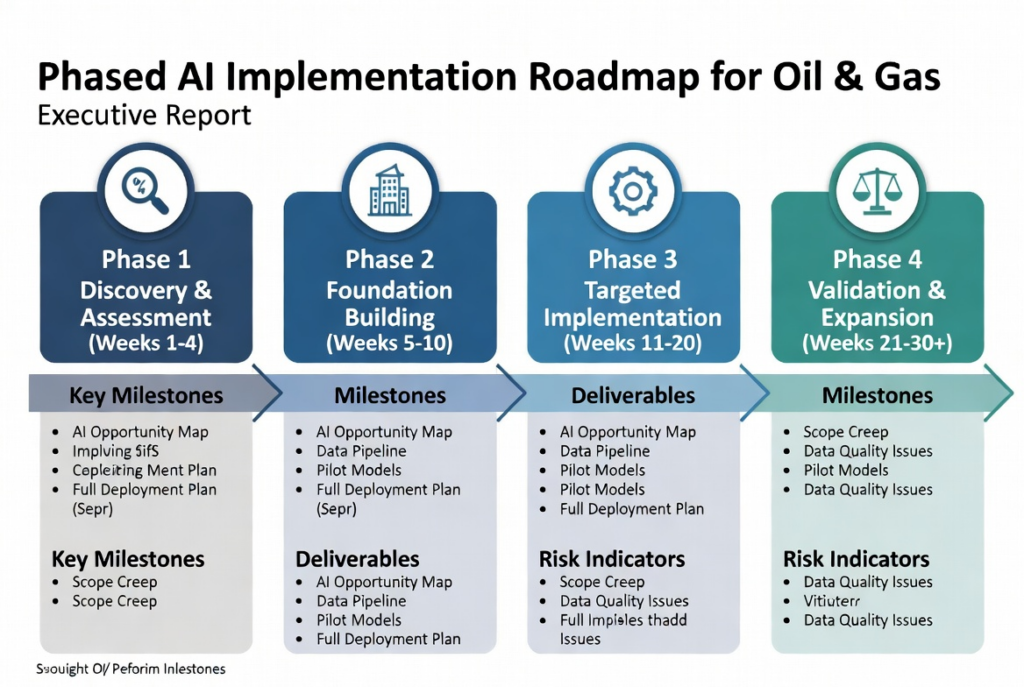
Figure 3: Phased AI Roadmap Timeline – Designed for minimal operational disruption.
5. Governance, Compliance, and Regulatory Alignment
AI systems must be designed for compliance from day one. Key areas include:
- FERC & EPA Compliance — Full audit trails and explainable outputs
- SCADA and OT Security — NIST CSF and ICS-CERT alignment plus AI-specific controls
- Data Sovereignty and Model Ownership — Clear contracts for on-environment deployment
- Bias and Model Degradation — Regular audits, drift detection, and retraining protocols
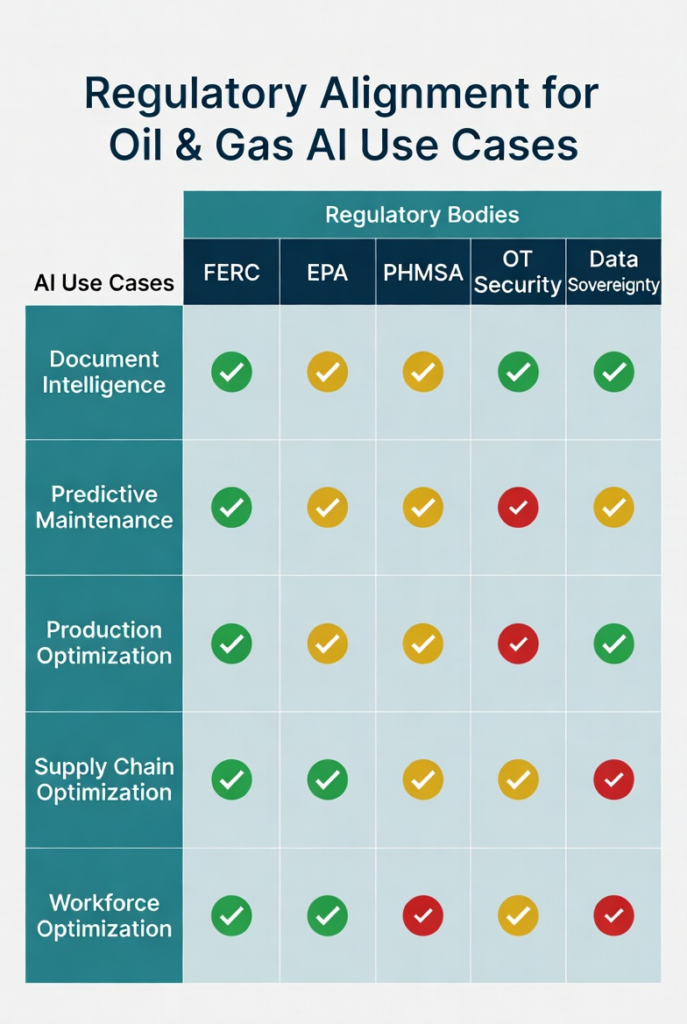
Figure 4: Regulatory Alignment Map – Governance requirements by use case and regulatory body.
6. The Readiness Scorecard: Rating Your Organization
Rate each dimension from 1 (Significant gaps) to 5 (Production-ready) and calculate your total.
| Total Score | Readiness Level | Recommended Next Step |
|---|---|---|
| 20–25 | Ready to Deploy | Proceed to use case selection and implementation |
| 14–19 | Ready with Gaps | Address specific gaps (4–6 weeks), then deploy |
| 8–13 | Foundation Needed | Run a structured readiness sprint before tool selection |
| 5–7 | Early Stage | Begin with a comprehensive discovery and assessment |
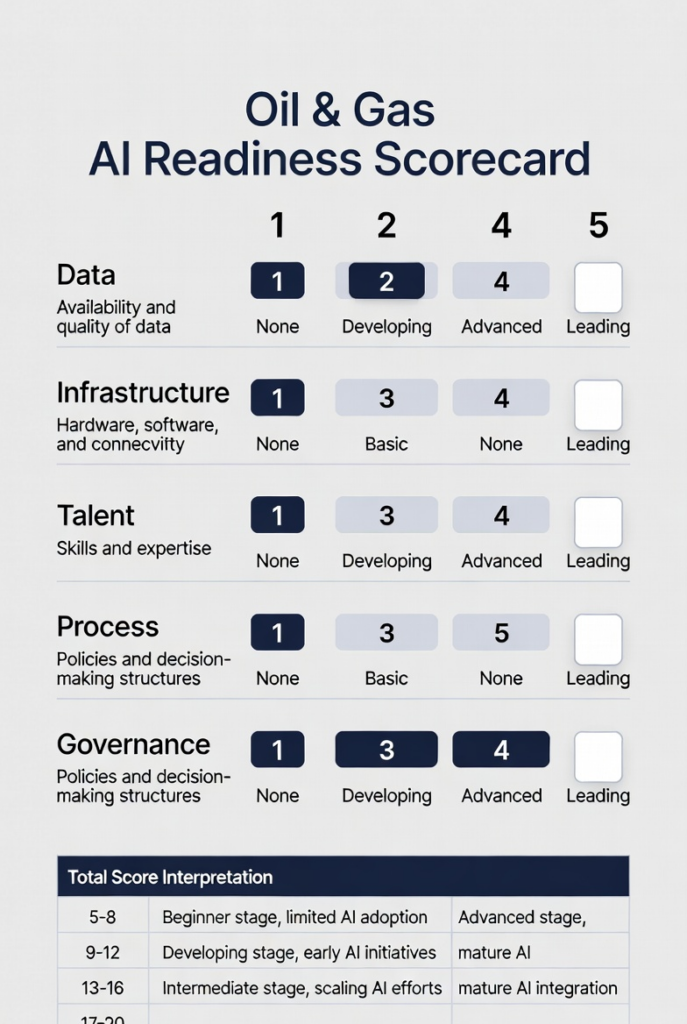
Figure 5: AI Readiness Scorecard Template – Printable version with rating scales.
7. Frequently Asked Questions
How do we know if we’re truly ready? Can you answer the self-assessment questions with specific, verifiable facts rather than assumptions?
We scored low on data readiness. Is AI off the table? No. Start with a focused 4–8 week data readiness sprint.
What’s the best starting point for companies with no AI experience? Document Intelligence — lowest risk and fastest time-to-value.
How do we prevent model degradation? Build a model lifecycle plan with performance monitoring, drift detection, and clear ownership.
Ready to Turn Your Readiness Score Into a Roadmap?
Our Strategic Assessment takes your results and builds a prioritized, phased implementation plan tailored to your organization.
[Schedule a Free Assessment →]
Related Resources
[Why Oil & Gas Companies Keep Failing at AI (And How to Stop)]
[AI Consulting vs. AI Vendors: What Oil & Gas Buyers Must Know]